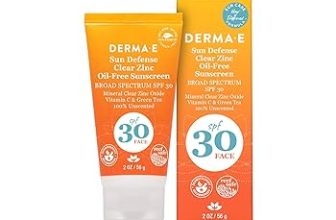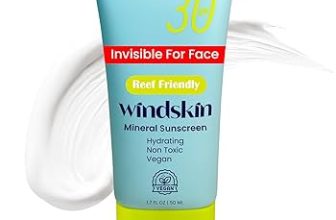

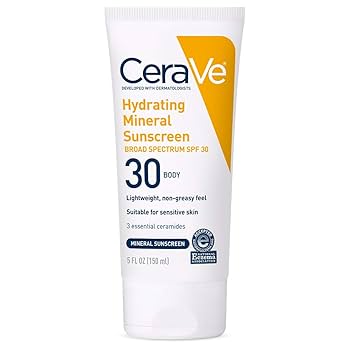
When you go outside on a sunny day, your skin needs protection. The sun’s rays can hurt your skin. They can cause sunburn, skin damage, and even skin cancer. Sunscreens containing zinc oxide and titanium dioxide help protect your skin from these harmful rays. These minerals act as natural barriers that block the sun’s rays. This article will explain what these ingredients are and why they matter.

Credit: www.amazon.com
What Are Zinc Oxide and Titanium Dioxide?
Zinc oxide and titanium dioxide are natural minerals found on Earth. People use them in many products, including sunscreens. These minerals sit on the skin’s surface and reflect the sun’s rays, bouncing harmful UV radiation away from your skin.
Unlike chemical ingredients, mineral sunscreens with zinc oxide do not absorb into your skin. Instead, they stay on top and protect like a shield, making them very safe for all skin types.
How Do These Ingredients Protect Your Skin?
The sun sends out two main types of rays that can harm your skin: UVA and UVB rays. UVA rays can cause aging and wrinkles. UVB rays cause sunburn. Both rays can lead to skin cancer. Zinc oxide protects against both UVA and UVB rays. This is why they are called “broad-spectrum” sunscreens. They give your skin full coverage from the sun’s dangers.
Benefits of these mineral sunscreens
Mineral sunscreens with zinc oxide offer many benefits:
- Safe for Sensitive Skin: They are gentle and less likely to cause skin irritation.
- Works Right Away: These sunscreens start protecting your skin as soon as you put them on.
- Long-Lasting Protection: They stay on your skin even when you sweat or swim.
- Good for All Ages: Safe for babies, children, and adults.
- Less Risk of Allergies: They rarely cause allergic reactions.
- Environmentally Friendly: They are better for coral reefs and ocean life than some chemical sunscreens.
How to Use these mineral sunscreens
Using sunscreen properly is very important. Here are some tips to help you:
- Apply sunscreen 15 minutes before going outside.
- Use enough sunscreen to cover all exposed skin.
- Don’t forget easy-to-miss spots like ears, neck, and hands.
- Reapply every two hours, or after swimming or sweating.
- Use sunscreen even on cloudy days, because sun rays still reach you.
Difference Between Mineral and Chemical Sunscreens
Sunscreens come in two main types: mineral and chemical. Zinc oxide and titanium dioxide are in mineral sunscreens. Chemical sunscreens use other ingredients that absorb UV rays.
| Feature | Mineral Sunscreens | Chemical Sunscreens |
|---|---|---|
| Main Ingredients | Zinc oxide, titanium dioxide | Avobenzone, oxybenzone, octinoxate, others |
| How They Work | Reflect and scatter UV rays | Absorb UV rays and change them to heat |
| Time to Work | Works immediately after applying | Needs about 20 minutes after applying |
| Skin Sensitivity | Gentle, good for sensitive skin | May cause irritation or allergies |
| Environmental Impact | Generally safer for the oceans | Some chemicals can harm coral reefs |
Are There Any Downsides?
Like all products, sunscreens with zinc oxide and titanium dioxide have some downsides. Some people may not like how they look on the skin. They can leave a white or chalky layer. This can be hard to blend on darker skin tones.
However, many companies now make these sunscreens in smaller particle sizes called micronized or nano forms. This helps the sunscreen look clear on your skin.
Also, if you sweat a lot or swim, you must reapply sunscreen often. No sunscreen lasts all day without reapplication.
Who Should Use these mineral sunscreens?
These sunscreens are good for many people. They are especially helpful for:
- People with sensitive or allergic skin.
- Children and babies.
- People who spend a lot of time outdoors.
- Those who want to protect coral reefs and oceans.
- People who want quick protection right after applying.
Choosing the Right Sunscreen
When buying sunscreen, look for products labeled “broad spectrum.” This means they protect against UVA and UVB rays.
Check the label for zinc oxide and titanium dioxide. These ingredients show the sunscreen is mineral-based.
Also, choose a sunscreen with an SPF of 30 or higher. SPF means Sun Protection Factor. The higher the SPF, the more protection you get.

Credit: www.amazon.com
Summary
Mineral sunscreens with zinc oxide provide strong, safe, and long-lasting protection. They work by sitting on your skin and reflecting harmful rays. They protect against both UVA and UVB rays. These sunscreens are safe for sensitive skin, children, and the environment. They start working immediately and last long. You should apply them properly and reapply often. If you want safe and effective sun protection, consider sunscreens with zinc oxide and titanium dioxide. They help keep your skin healthy and safe from the sun.
Frequently Asked Questions
What Are The Benefits Of Zinc Oxide In Sunscreens?
Zinc oxide blocks UVA and UVB rays and is safe for sensitive skin.
How Does Titanium Dioxide Protect Your Skin From the Sun?
Titanium dioxide acts as a physical barrier, reflecting UV rays away from the skin surface.
Are Sunscreens With Zinc Oxide And Titanium Dioxide Safe?
Yes, both ingredients are safe and approved for use in sunscreens worldwide.
Do Mineral Sunscreens With Zinc Oxide Feel Heavy On Skin?
No, many formulas are lightweight and non-greasy, suitable for daily use.
Can Zinc Oxide and Titanium Dioxide Sunscreens Prevent Sunburn?
Yes, they provide broad-spectrum protection to reduce the risk of sunburn effectively.