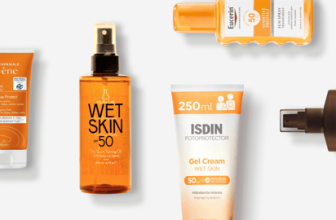

Sun protection is important for everyone. The sun gives us light and warmth. But too much sun can hurt our skin. That is why using sunscreens with zinc oxide is smart, because they help protect our skin from harmful sun rays.
Many sunscreens use different ingredients to protect skin. One common ingredient is zinc oxide. It is a natural mineral. Zinc oxide works well to block the sun’s rays. Many people like sunscreens with zinc oxide because they are gentle on the skin.
What Is Zinc Oxide?
Zinc oxide is a white powder. It comes from the mineral zinc. You can find zinc in the earth and in foods like nuts and seeds. When it is in sunscreen, zinc oxide acts like a shield. It sits on the skin and blocks sunlight.
Unlike some sunscreens that absorb sunlight, zinc oxide reflects it. This means it bounces the sun’s rays away from your skin. It protects against two kinds of rays: UVA and UVB. Both can harm your skin in different ways.
Why Choose Sunscreens With Zinc Oxide?
Zinc-based sunscreens have many benefits. Here are some reasons why people choose them:
- Safe for sensitive skin: Zinc oxide is gentle and less likely to cause irritation.
- Works right away: It protects your skin as soon as you put it on.
- Broad-spectrum protection: It blocks UVA and UVB rays effectively.
- Good for all ages: Safe for children and adults.
- Long-lasting: It stays on your skin even when you sweat.
- Less chemical absorption: Zinc oxide stays on the skin surface and does not soak in deeply.
How Does Zinc Oxide Protect Your Skin?
Sunlight has two main types of ultraviolet rays:
- UVA rays: These rays age your skin and cause wrinkles.
- UVB rays: These rays burn your skin and can cause skin cancer.
Zinc oxide blocks both UVA and UVB rays. It acts like a tiny mirror. It reflects these rays away. This stops them from reaching your skin cells. That way, your skin stays safer from damage.
Zinc Oxide Versus Chemical Sunscreens
There are two main types of sunscreens:
- Physical (mineral) sunscreens: Use ingredients like zinc oxide or titanium dioxide.
- Chemical sunscreens: Use synthetic chemicals to absorb UV rays.
Physical sunscreens sit on top of your skin. They reflect sunlight. Chemical sunscreens soak into your skin. They absorb sunlight and turn it into heat.
Many people prefer zinc oxide sunscreens because they are natural. They cause less skin irritation. They are good for sensitive skin or skin with conditions like eczema.
Common Uses of Zinc Oxide Sunscreens
These UV-blocking creams are popular for:
- Daily sun protection for face and body.
- Sports and outdoor activities.
- Kids’ sunscreen because it is gentle.
- People with sensitive or allergy-prone skin.
- After skin treatments to protect healing skin.
How to Use Zinc-Based Sunscreens Properly
Using sunscreen correctly ensures the best protection:
- Apply sunscreen 15 minutes before going outside.
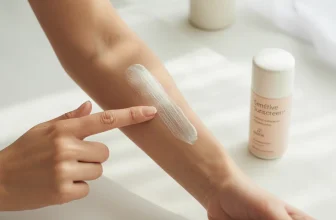
- Use enough sunscreen to cover all exposed skin.
- Don’t forget ears, neck, and hands.
- Reapply every two hours, or after swimming or sweating.
- Use sunscreen even on cloudy days.
Buying Guide for Mineral Sunscreens
Not all sunscreens are the same. Check these points when buying:
| Feature | What to Choose |
|---|---|
| Sun Protection Factor (SPF) | SPF 30 or higher for good protection |
| Zinc Oxide Percentage | Look for 5% to 25% zinc oxide for strong protection |
| Broad-Spectrum Label | Protects against UVA and UVB rays |
| Water Resistance | Choose water-resistant for outdoor or swimming use |
| Skin Type | Gentle formulas for sensitive or dry skin |

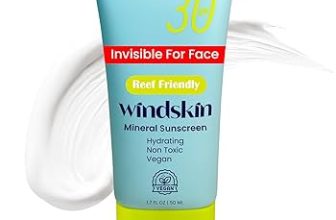
Credit: www.amazon.com
Are There Any Downsides to Zinc Oxide Sunscreens?
Zinc oxide sunscreens are very safe. But there are a few things to know:
- They can leave a white cast on the skin, especially on darker skin tones.
- Some formulas can feel thick or chalky.
- You may need to rub the sunscreen well to blend it.
Many brands now make zinc oxide sunscreens that look clear. They use small particles called “nano zinc oxide.” This helps reduce the white look. But some people prefer non-nano zinc oxide for extra safety.

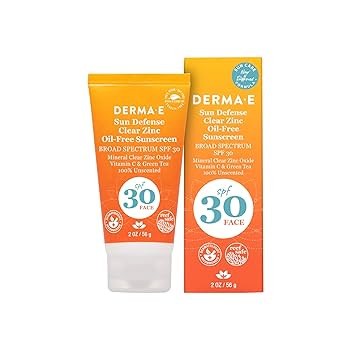
Credit: www.amazon.com
Tips for Better Sunscreen Protection
Follow these tips to get the best results:
- Apply sunscreen gently to avoid rubbing it off.
- Use a moisturizer first if you have dry skin.
- Choose tinted mineral sunscreen to reduce white cast.
- Use sunscreen every day, even if indoors near windows.
Final Thoughts
Sunscreens with zinc oxide offer safe and strong sun protection. They work well for many skin types. They defend against both UVA and UVB rays and are especially good for sensitive skin and children.
Remember, no sunscreen can block 100% of the sun’s rays. Use sunscreen with other sun safety habits. Wear hats, sunglasses, and stay in the shade during strong sun hours. Mineral sunscreens are a smart choice for keeping your skin healthy and safe.
Frequently Asked Questions
What Is Zinc Oxide In Sunscreens?
Zinc oxide is a mineral that blocks UVA and UVB rays from the sun.
How Does Zinc Oxide Protect Skin From Sun?
It creates a physical barrier that reflects and scatters harmful UV rays away.
Are Zinc Oxide Sunscreens Safe For Sensitive Skin?
Yes, zinc oxide is gentle and less likely to cause irritation or allergies.
Can Zinc Oxide Sunscreens Prevent Sunburn Effectively?
Yes, they provide broad-spectrum protection to reduce the risk of sunburn.
Do Zinc Oxide Sunscreens Leave A White Cast On Skin?
Some may, but many modern formulas use smaller particles to reduce white residue.