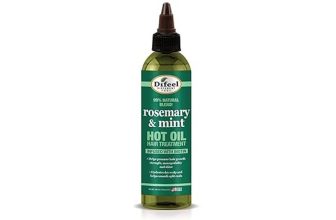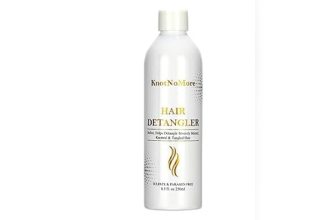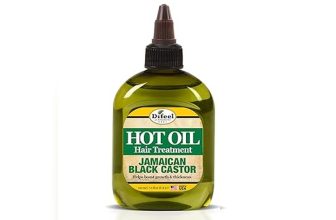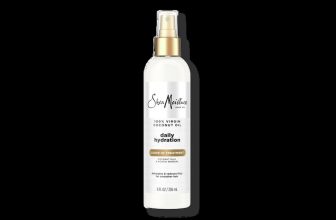

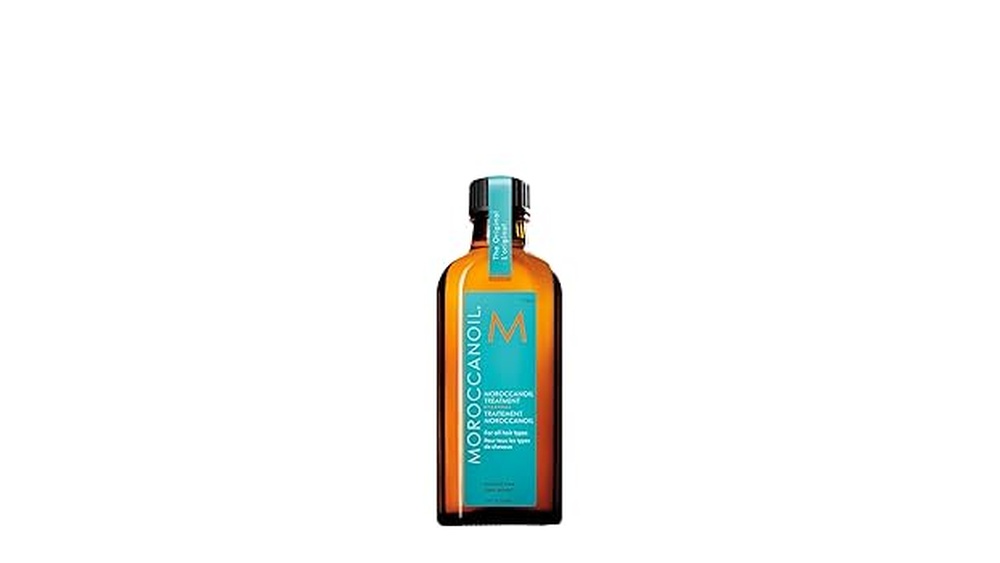
Are you tired of dealing with dry, frizzy hair that just won’t behave? Moroccan Hair Treatment Oil can help nourish your strands, tame frizz, and leave your hair feeling soft and shiny every day.
Moroccan Hair Treatment Oil could be the secret you’ve been missing. This natural oil works deep to nourish and repair your hair from root to tip. If you want stronger, smoother hair without harsh chemicals, keep reading. You’ll discover how this simple addition to your routine can transform your hair and boost your confidence.
Don’t settle for less when your hair deserves the best.
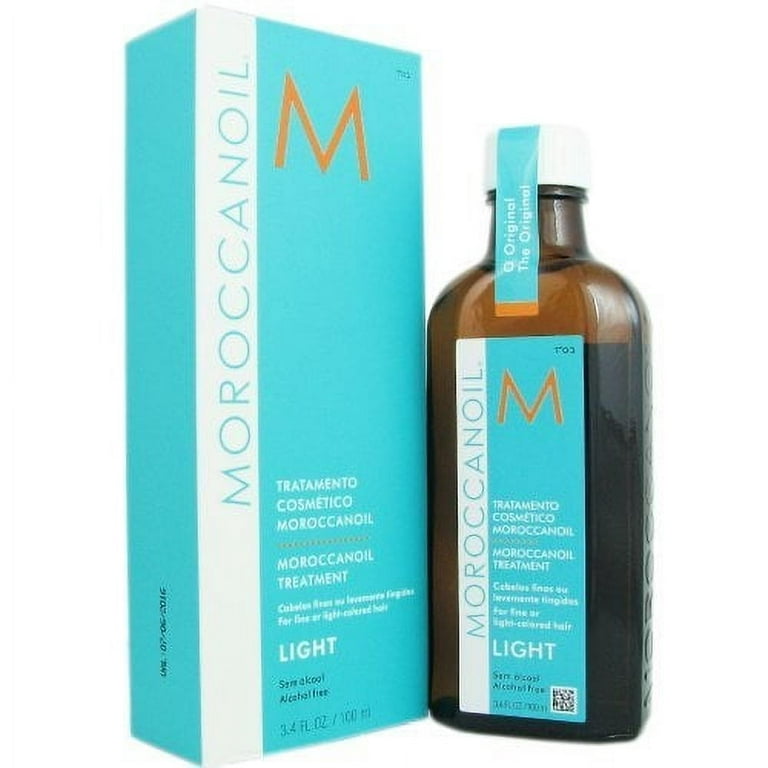
Credit: www.walmart.com
Benefits Of Moroccan Hair Treatment Oil
Moroccan hair oil offers many benefits for all hair types. It comes from natural argan nuts and is full of vitamins and antioxidants. This oil helps improve hair health without harsh chemicals. Using it regularly makes hair look better and feel softer.
Boosting Shine And Smoothness
Moroccan hair oil adds a natural shine to dull hair. It smooths the hair cuticle, reducing roughness. This makes hair easier to style and more manageable. The oil helps hair catch light, giving it a healthy glow.
Repairing Damaged Strands
The oil nourishes and repairs damaged hair strands. It restores moisture lost from heat and coloring. This helps reduce split ends and brittleness. Over time, hair feels stronger and looks healthier.
Nourishing Scalp Health
Applying Moroccan oil to the scalp can reduce dryness and itching. It balances the scalp’s natural oils and prevents flakiness. A healthy scalp supports better hair growth. The oil’s nutrients keep the scalp calm and refreshed.
Preventing Frizz And Breakage
The oil forms a light barrier around each hair strand. This protects hair from humidity and pollution. It reduces frizz and prevents hair from breaking easily. Hair stays smooth and intact throughout the day.
Key Ingredients In Moroccan Hair Treatment Oil
Moroccan hair oil is famous for its natural ingredients that nourish and protect hair. These ingredients work together to improve hair health and shine. Understanding the key components helps you see why this oil is so effective.
Argan Oil And Its Properties
Argan oil is the main ingredient in Moroccan hair oil. It is rich in vitamins and fatty acids. This oil hydrates hair, making it soft and smooth. It also helps repair damage and prevents hair breakage.
Vitamin E And Antioxidants
Vitamin E is a powerful antioxidant found in Moroccan hair oil. It protects hair from damage caused by free radicals. This vitamin also improves blood circulation to the scalp. It supports healthy hair growth and reduces dryness.
Essential Fatty Acids
Essential fatty acids in the oil help strengthen hair strands. They keep the hair moisturized and reduce frizz. These acids also improve hair elasticity, preventing split ends and breakage.
Natural Fragrance Components
Natural fragrance components give Moroccan hair oil a pleasant scent. These come from plant extracts and herbs. They provide a fresh aroma without using artificial chemicals.
Choosing The Right Moroccan Hair Treatment Oil
Choosing the right Moroccan hair treatment oil can greatly improve your hair’s health. Different oils offer various benefits depending on purity and ingredients. Picking the best one means understanding what works for your hair type and needs. This guide will help you find the perfect Moroccan oil for your hair care routine.
Pure Vs. Blended Oils
Pure Moroccan oil contains only argan oil extracted from nuts. It has no added chemicals or fillers. Blended oils mix argan with other oils or ingredients. Pure oil is richer in nutrients and absorbs better into hair. Blended oils may dilute the benefits but offer extra scents or properties.
Checking For Authenticity
Real Moroccan oil comes from Morocco and should say so on the label. Look for certifications or seals from trusted sources. Avoid oils with vague ingredient lists or unfamiliar brands. Authentic oils have a nutty smell, not strong perfume scents. Testing a small amount on skin can check for irritation or reaction.
Packaging And Storage Tips
Moroccan oil should come in dark glass bottles to protect from sunlight. Plastic containers may reduce oil quality over time. Keep the bottle tightly closed after use. Store it in a cool, dry place away from heat. Proper storage helps maintain oil’s freshness and effectiveness.
Price And Quality Considerations
High-quality Moroccan oil usually costs more than cheaper versions. Low prices may mean diluted or fake products. Investing in a good oil ensures better results for your hair. Compare prices but focus on ingredients and reviews. Quality oil lasts longer and improves hair health faster.
How To Apply Moroccan Hair Treatment Oil
Applying Moroccan hair oil correctly helps you get smooth, shiny hair. It nourishes your scalp and strengthens hair strands. Using the oil the right way brings out its full benefits.
Pre-wash Treatment Steps Moroccan Hair Treatment Oil
Start with dry hair. Take a small amount of oil in your palms. Rub your hands to warm the oil. Apply it gently from roots to tips. Massage your scalp in circular motions. Leave the oil on for at least 30 minutes. For deeper care, keep it overnight. Wash your hair with a gentle shampoo afterward.
Post-wash Application Techniques
Use Moroccan hair oil on damp hair. Take a few drops on your fingertips. Spread the oil evenly through the mid-lengths and ends. Avoid the scalp to prevent greasiness. Comb your hair to distribute the oil well. This locks in moisture and adds shine.
Using As A Styling Moroccan Hair Treatment Oil
Apply a small drop on dry hair. Focus on frizzy or flyaway strands. Smooth the oil lightly over your hair surface. It tames hair and adds a natural shine. Use sparingly to avoid a greasy look. Perfect for a polished finish before heading out.
Recommended Frequency For Best Results
Use as a pre-wash treatment once or twice a week. Apply post-wash oil after every hair wash. Use as a styling product daily or as needed. Adjust frequency based on hair type and condition. Consistent use improves hair softness and health.
Diy Moroccan Hair Treatment Oil Recipes
Making your own Moroccan hair oil at home is simple and effective. These DIY recipes use natural ingredients to nourish hair deeply. You can tailor each blend to suit your hair type and needs. Using natural oils helps keep hair soft, shiny, and healthy without chemicals. Try these easy recipes for better hair care.
Simple Blend For Dry Hair
Mix two tablespoons of argan oil with one tablespoon of coconut oil. Warm the oils slightly to help them blend. Apply the mixture to dry hair from roots to tips. Leave it on for 30 minutes before washing. This blend adds moisture and smoothness to dry hair.
Repair Mix For Damaged Hair
Combine one tablespoon of argan oil, one tablespoon of castor oil, and half a tablespoon of jojoba oil. Stir well and warm the mix gently. Massage into damaged hair and scalp. Keep it on for one hour. This mix helps repair split ends and strengthens hair strands.
Scalp Nourishing Oil
Mix two tablespoons of argan oil with a few drops of tea tree oil. Shake well before use. Massage the oil into your scalp for five minutes. This helps reduce dryness and soothes irritation. Use it twice a week for a healthy scalp.
Boosting Shine With Natural Additives
Add one teaspoon of vitamin E oil and a few drops of rosemary essential oil to two tablespoons of argan oil. Stir thoroughly. Apply to hair after washing to boost shine and smoothness. These natural additives enhance the oil’s effects and leave hair glowing.

Credit: www.amazon.com
Common Mistakes To Avoid
Using Moroccan hair treatment oil can improve your hair’s health and shine. Avoid mistakes that reduce its benefits. Simple errors can cause greasy hair, breakage, or less effect. Learn the common mistakes to avoid for the best results.
Overusing The Oil
Too much oil makes hair look greasy and heavy. A small amount is enough for most hair types. Apply lightly, especially near the roots. Overuse can clog pores and cause scalp problems. Start with a few drops and add more if needed.
Applying On Wet Hair Only
Using oil only on wet hair limits its benefits. Moroccan oil works well on dry or damp hair too. On dry hair, it adds shine and smoothness. On damp hair, it helps lock in moisture. Use it on both to keep hair soft and healthy.
Ignoring Hair Type Needs
Different hair types need different amounts of oil. Fine hair needs less to avoid heaviness. Thick or curly hair may need more for moisture. Know your hair type before use. Adjust the amount to match your hair’s needs.
Mixing With Harsh Chemicals
Mixing Moroccan oil with harsh chemicals can damage hair. Avoid combining with strong hair dyes or treatments. Chemicals can reduce the oil’s natural benefits. Use the oil separately for the best care. Keep your hair healthy and safe.
Customer Experiences And Tips
Many users share their stories about Moroccan hair treatment oil. Their experiences offer useful tips. These insights help in choosing the best way to use the oil. The oil suits different hair types and needs. Customers notice changes after regular use. Some face common problems and find ways to fix them. Below are helpful tips and real feedback.
Hair Type-specific Advice
Dry hair needs a small amount of oil to avoid heaviness. Use more on the ends to stop split ends. Oily hair benefits from light use, mostly on the tips. Curly hair looks shiny and soft after applying oil to damp strands. Fine hair should use oil sparingly. Thick hair can handle a larger amount for deep nourishment.
Combining With Other Hair Care Products Moroccan Hair Treatment Oil
Mixing the oil with leave-in conditioner improves softness. Some users apply oil before shampooing for better scalp health. Oil works well with hair masks to boost hydration. Avoid mixing with heavy creams to prevent buildup. Use oil last in your routine for a smooth finish. It blends easily with natural hair butters.
Long-term Benefits of Moroccan Hair Treatment Oil
Many report stronger hair after weeks of use. Hair feels less dry and breaks less often. Shine and smoothness improve gradually. Scalp feels healthier and less itchy. Hair grows with fewer split ends. Regular use adds a natural glow and softness. Users say hair is easier to style over time.
Troubleshooting Common Issues
Some find hair too greasy after too much oil. Use less oil next time or apply only to the ends. If the scalp feels itchy, check for allergies to ingredients. Avoid applying oil to the scalp if pores clog easily. Wash hair regularly to prevent buildup. Use a gentle shampoo to remove excess oil.
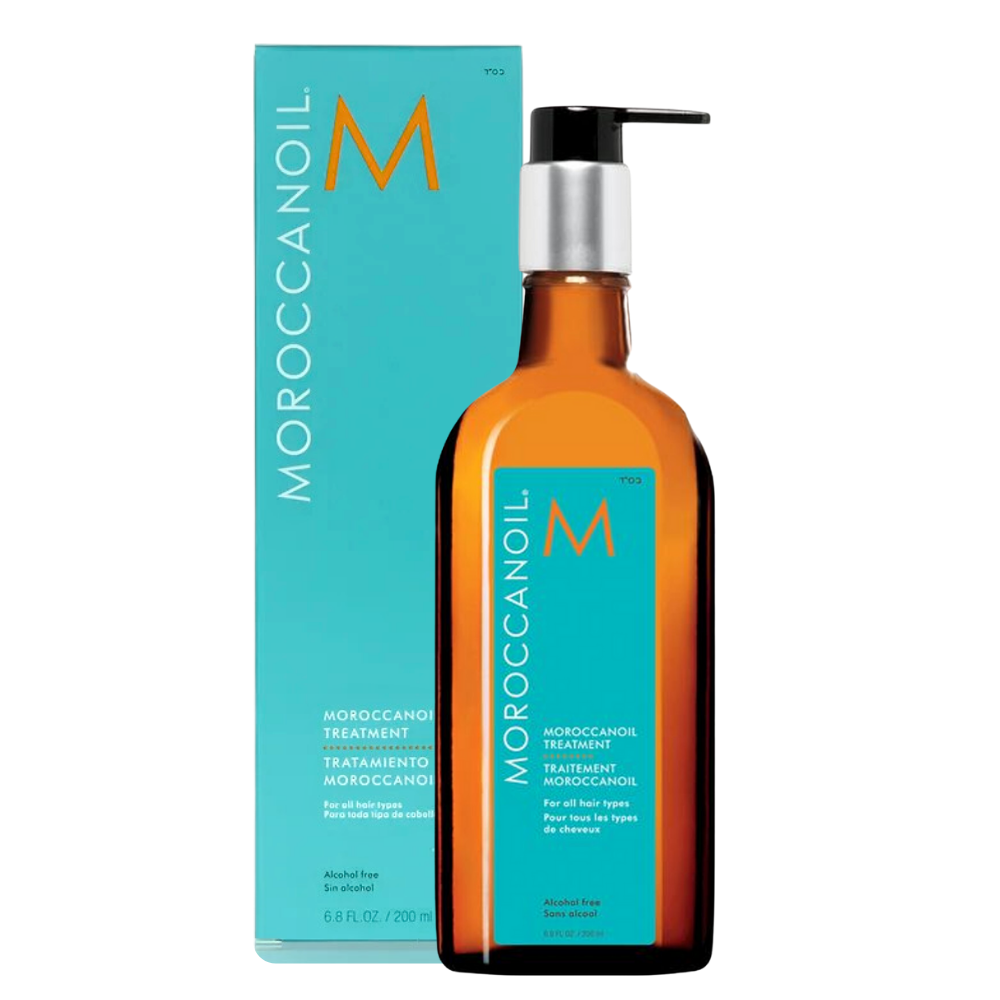
Credit: beautyfirstnebraska.com
Frequently Asked Questions
What Is Moroccan Hair Treatment Oil Made Of?
Moroccan hair oil mainly contains argan oil, rich in vitamin E and antioxidants. It hydrates, repairs, and protects hair naturally.
How Does Moroccan Hair Treatment Oil Benefit Hair Health?
It deeply nourishes, reduces frizz, and adds shine. The oil strengthens hair and prevents damage from heat and styling.
Can Moroccan Hair Treatment Oil Treat Dry Or Damaged Hair?
Yes, it restores moisture and repairs split ends. Regular use improves hair texture and promotes softness.
How To Apply Moroccan Hair Treatment Oil Correctly?
Apply a small amount on damp or dry hair. Focus on ends and avoid the scalp for best results.
Conclusion
Moroccan hair treatment oil nourishes and protects your hair well. It helps reduce frizz and adds shine naturally. Regular use can make hair softer and stronger. Many people find it easy to use daily. It suits most hair types and works gently.
Try adding it to your hair care routine today. Healthy, smooth hair feels good and looks great. Small changes bring noticeable results. Why not give your hair some extra care?