
Pregnancy is a special time for every woman. Many changes happen in the body. Skin can become more sensitive. It is important to protect your skin from the sun. But which sunscreens are safe to use during pregnancy? This article will help you understand the best sunscreens safe during pregnancy and how to choose them wisely.
Why Use Sunscreens Safely During Pregnancy?
Sunlight has ultraviolet (UV) rays. These rays can harm your skin. They cause sunburn and skin damage. During pregnancy, your skin is more delicate. Hormones can make skin darker or patchy. This is called melasma or the “mask of pregnancy.” Using sunscreens safe during pregnancy helps prevent this and keeps your skin healthy.
Without sunscreen, your skin can burn easily. Sunburn hurts and can cause long-term damage. It is better to protect your skin every day. Even when it is cloudy, UV rays reach your skin — so daily use of pregnancy-safe sunscreens is essential.
What to Look for in Sunscreens During Pregnancy
Not all sunscreens are the same. Some ingredients may not be safe for pregnant women. It is best to choose sunscreens that are gentle and safe.
Key points to check:
- Type of sunscreen: Mineral vs. chemical
- Ingredients: Avoid harmful chemicals
- SPF level: At least SPF 30
- Water resistance: Good for sweating or swimming
- Hypoallergenic: Gentle on sensitive skin

Credit: skntoskn.com
Mineral vs. Chemical Sunscreens
There are two main types of sunscreens safe during pregnancy — mineral sunscreens and chemical sunscreens. Mineral sunscreens sit on top of your skin and reflect UV rays away. Common mineral ingredients are zinc oxide and titanium dioxide.
Chemical sunscreens absorb UV rays. They change rays into heat and release it from your skin. Ingredients include oxybenzone, avobenzone, octinoxate, and others.
Which Is Safer During Pregnancy?
Mineral sunscreens are usually safer for pregnant women. They are less likely to cause skin irritation and do not enter the bloodstream much. Chemical sunscreens may have ingredients that can be absorbed into the body. Some of these might affect the baby.
Doctors often recommend mineral sunscreens safe during pregnancy. They protect well and are gentle on the skin.
Ingredients to Avoid During Pregnancy
Some sunscreen ingredients are not safe for pregnant women. Avoid these to protect your baby:
| Ingredient | Reason to Avoid |
|---|---|
| Oxybenzone | Can enter the bloodstream; may affect hormones |
| Retinyl Palmitate (Vitamin A) | Linked to birth defects in some studies |
| Parabens | May disrupt hormone balance |
| Phthalates | Used for fragrance; may harm development |
| Homosalate | Limited safety data; better to avoid |
Reading the label is very important. Look for products that clearly say “mineral,” “zinc oxide,” or “titanium dioxide.”
Recommended Sunscreen Features
When choosing sunscreen for pregnancy, check these features:
- Broad Spectrum Protection: Protects against UVA and UVB rays.
- SPF 30 or Higher: Enough to block most sun damage.
- Fragrance-Free: Less chance of irritation.
- Non-comedogenic: Does not clog pores.
- Water-Resistant: Works during sweating or swimming.
How to Apply Sunscreen Safely
Using sunscreen properly is as important as choosing the right one. Follow these steps:
- Apply sunscreen 15 minutes before going outside.
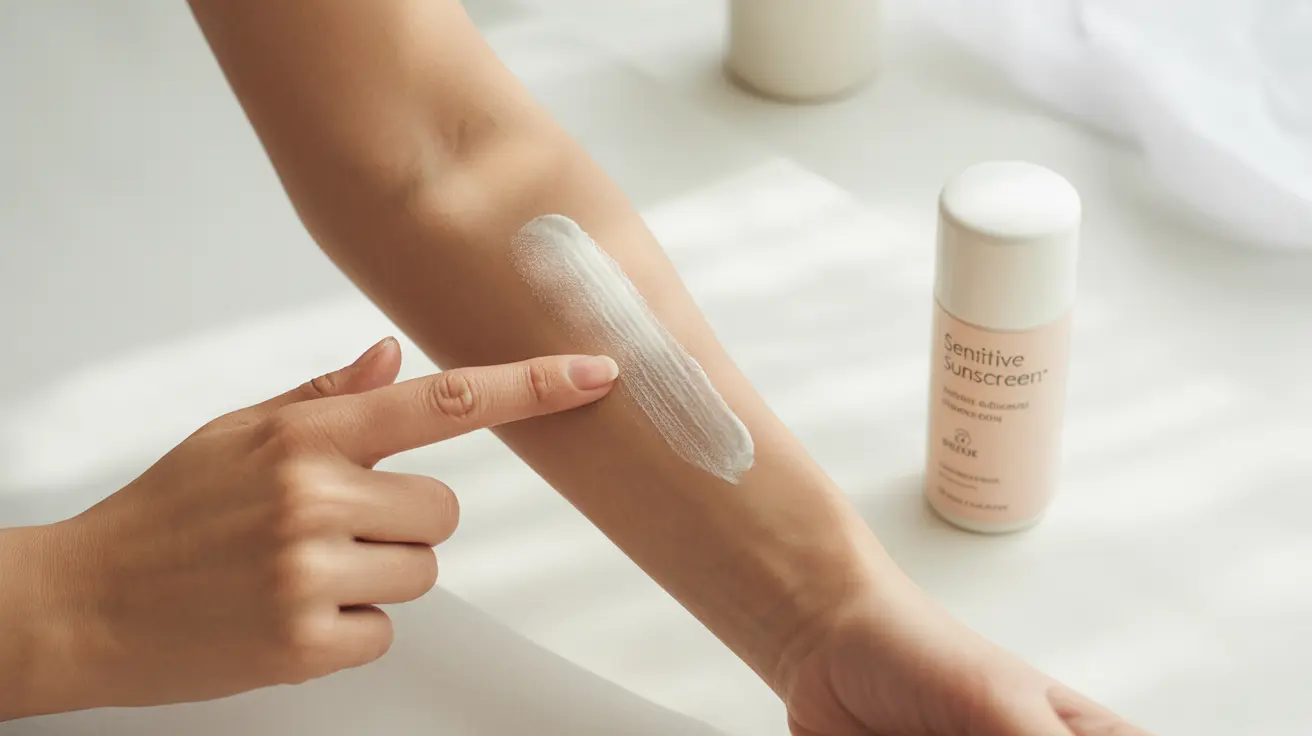
- Use enough to cover all exposed skin.
- Don’t forget ears, neck, hands, and feet.
- Reapply every 2 hours or after swimming.
- Wear protective clothing and hats for extra safety.
Remember, pregnancy-safe sunscreens work best when combined with other sun protection methods.
Other Tips to Protect Skin During Pregnancy
Sunscreen is just one way to protect your skin. Here are more tips:
- Stay in the shade when the sun is strong (10 am to 4 pm).
- Wear wide-brim hats and sunglasses.
- Use loose, long-sleeved clothing made of light fabric.
- Drink plenty of water to keep skin hydrated.
- Check your skin regularly for any changes.
Natural Alternatives to Sunscreens
Some women look for natural options. Natural oils like coconut or almond oil do not block UV rays well. They are not enough protection alone.
You can use natural mineral sunscreens. These use zinc oxide or titanium dioxide. They are safe and effective.
Always test any product on a small skin area first. This helps avoid allergic reactions.
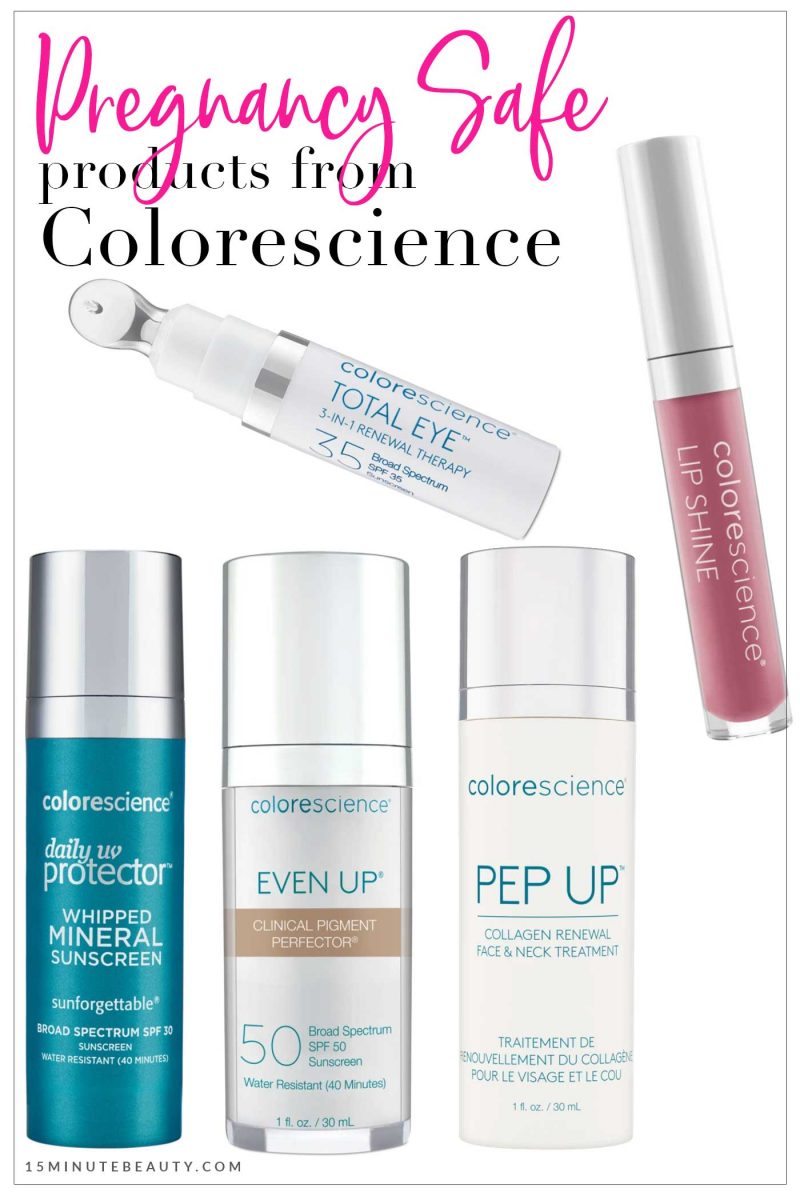
Credit: www.15minutebeauty.com
When to Talk to Your Doctor
If you have skin problems during pregnancy, see a doctor. Sometimes melasma or other skin issues need special care.
Also, if you are unsure about sunscreen ingredients, ask your healthcare provider. They can help you find safe options.
Summary Table: Sunscreens Safe During Pregnancy
| Type | Ingredients | Pros | Cons |
|---|---|---|---|
| Mineral Sunscreens | Zinc oxide, Titanium dioxide | Safe, gentle, broad spectrum | May leave a white cast on the skin |
| Chemical Sunscreens | Oxybenzone, Avobenzone, Octinoxate | Lightweight, no white cast | Some ingredients are unsafe in pregnancy |
Final Thoughts
Protecting your skin during pregnancy is very important. Use a safe, mineral-based sunscreen. Choose SPF 30 or higher. Avoid harmful chemicals by reading labels. Apply sunscreen properly every day. Combine sunscreen with hats, clothes, and shade.
Always listen to your body. If skin feels itchy or irritated, stop using the product. Ask your doctor for advice. Staying safe in the sun helps keep you and your baby healthy.
Remember, sun protection is part of self-care during pregnancy. It keeps your skin healthy and glowing. Choose your sunscreen wisely and enjoy your pregnancy safely.
Frequently Asked Questions
What Ingredients Make Sunscreens Safe During Pregnancy?
Mineral ingredients like zinc oxide and titanium dioxide are safest for pregnant skin.
Can Pregnant Women Use Chemical Sunscreens Safely?
Some chemical sunscreens may absorb into the skin; mineral sunscreens are safer choices.
How Often Should Pregnant Women Apply Sunscreen Safely During Pregnancy?
Apply sunscreen every two hours, or after swimming or sweating, for best protection.
Are Fragrance-Free Sunscreens Better For Pregnancy?
Yes, fragrance-free sunscreens reduce the risk of skin irritation during pregnancy.
Are Fragrance-Free Sunscreens Better For Pregnancy?
Sunscreens help prevent dark spots and skin damage caused by pregnancy hormones.